Generative Inverse Optimization
Generative AI has swept the nation, in many ways leaving traditional optimization behind. However, it ironically borrows heavily from the optimization toolbox.
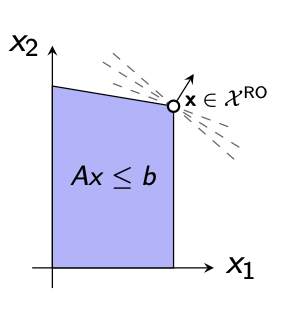
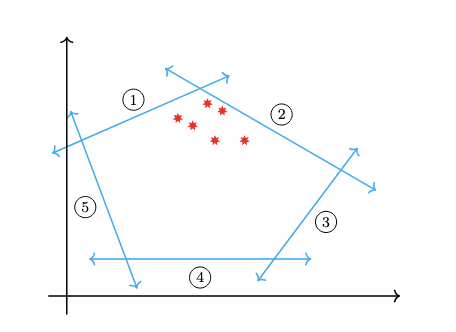
In this project, we look to generate models from large datasets, in a similar fashion to AI. Unlike AI, however, we will be working with datasets that form optimization problems and learning those instead.
Through this project, we hope to learn more about the overlap between modern-day AI and OR, and how the two fields can continue to build eachother up over time.
The Impact of AI Scribes on Primary Care Practitioners
AI scribe technology has been rapidly deployed in practitioners offices in the past year or two, but the studies in terms of efficacy and where it is and isn't helpful are just catching up. We are working on one of these studies!
The Homecare Provider Allocation Problem
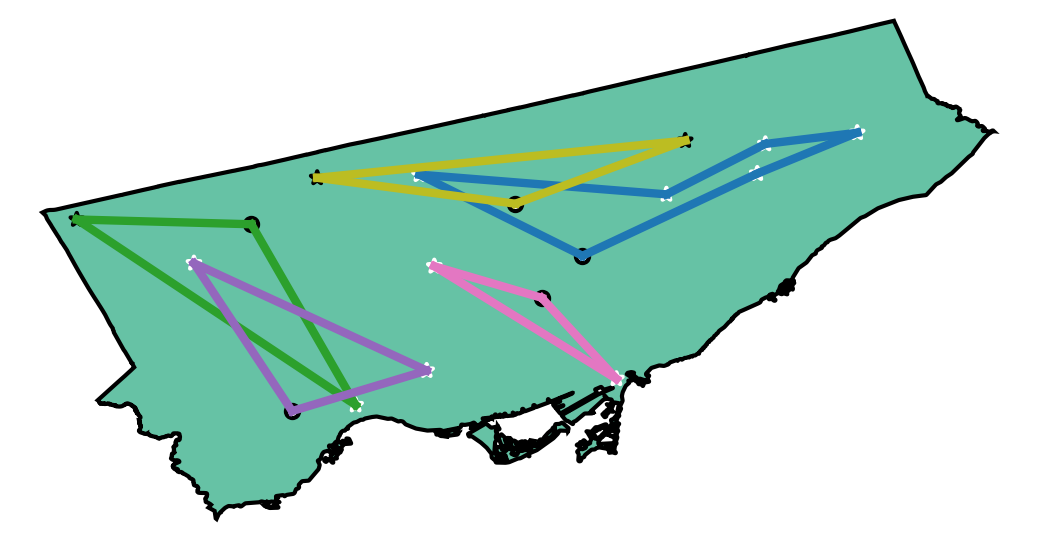
Dispatching home care workers to patients is a natural problem for operations research, in that it is difficult, multistage and data-intensive. In this project, we look for ways to make this very large project tractible and adjustable for non-expert users that will be using the end-systems.
Incorporating Robustness into Radiation Therapy Treatment Planning
When planning radiation therapy plans, or optimizing in general, the greediness of the underlying algorithms can have negative impacts on plan selection. In this multi-year body of work, we investigate the interplay between very large models and uncertainty, studying which kinds of approaches are best to mitigate uncertainty in various scenarios.
Geometric Beam Angle Optimization
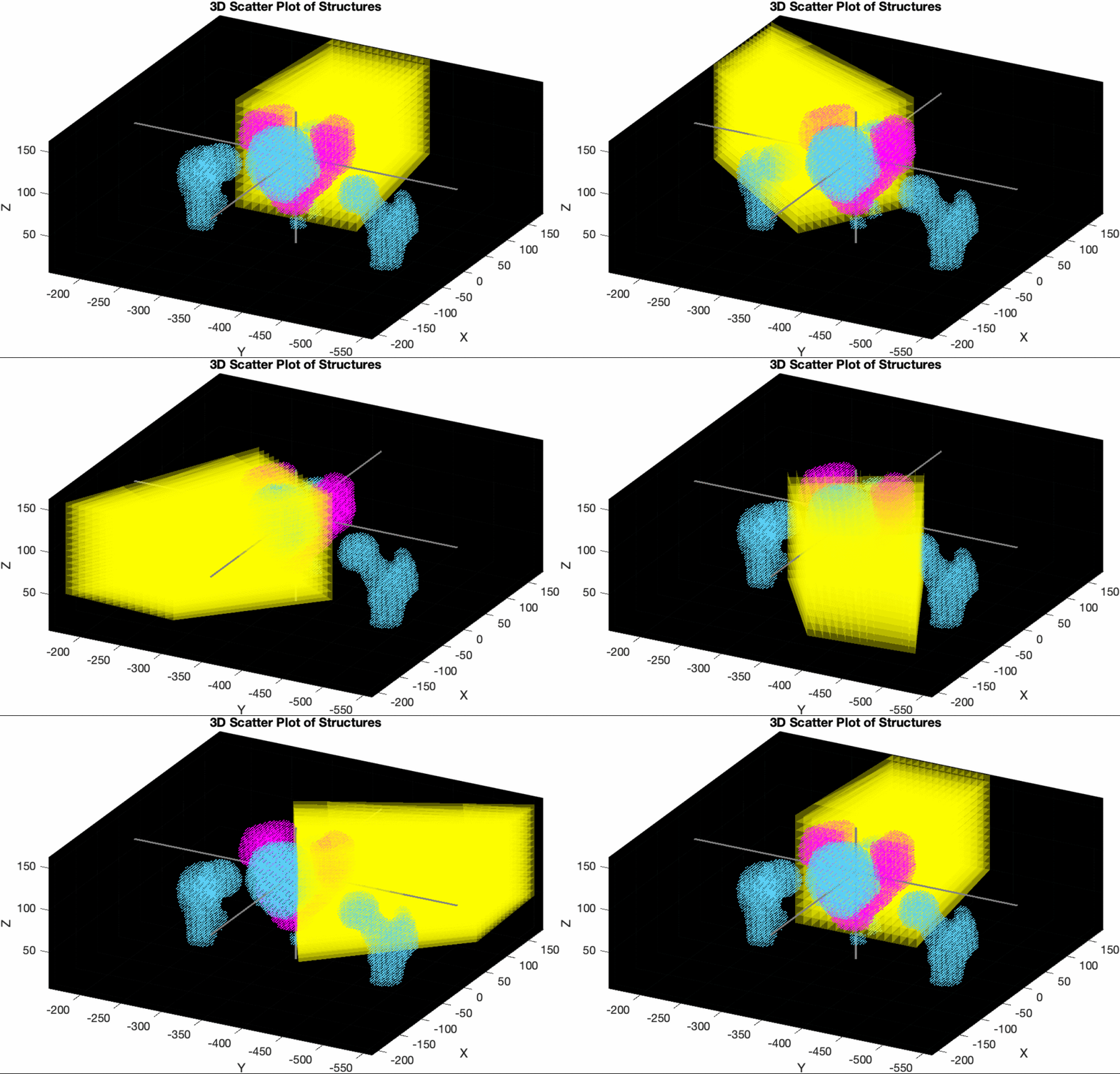
When clinicians plan radiation therapy treatment plans for step-and-shoot radiation therapy, the beam angles must be chosen before any calculation can be made. These angles are often selected to be equidistant, due to the difficulty in determining the best angles *a-priori*. The literature has employed heuristic approaches that have been shown to work better than this naive equidistant approach. However, what if there were more knowledge-based approaches to doing so?
Radiation Therapy Sampling and Solution Pipeline/Add-On
A MATLAB-based codebase that takes in matRad-calculated dose objects, allows for multiple sampling modalities, and then connects to a CPLEX-c++ solver for optimization.
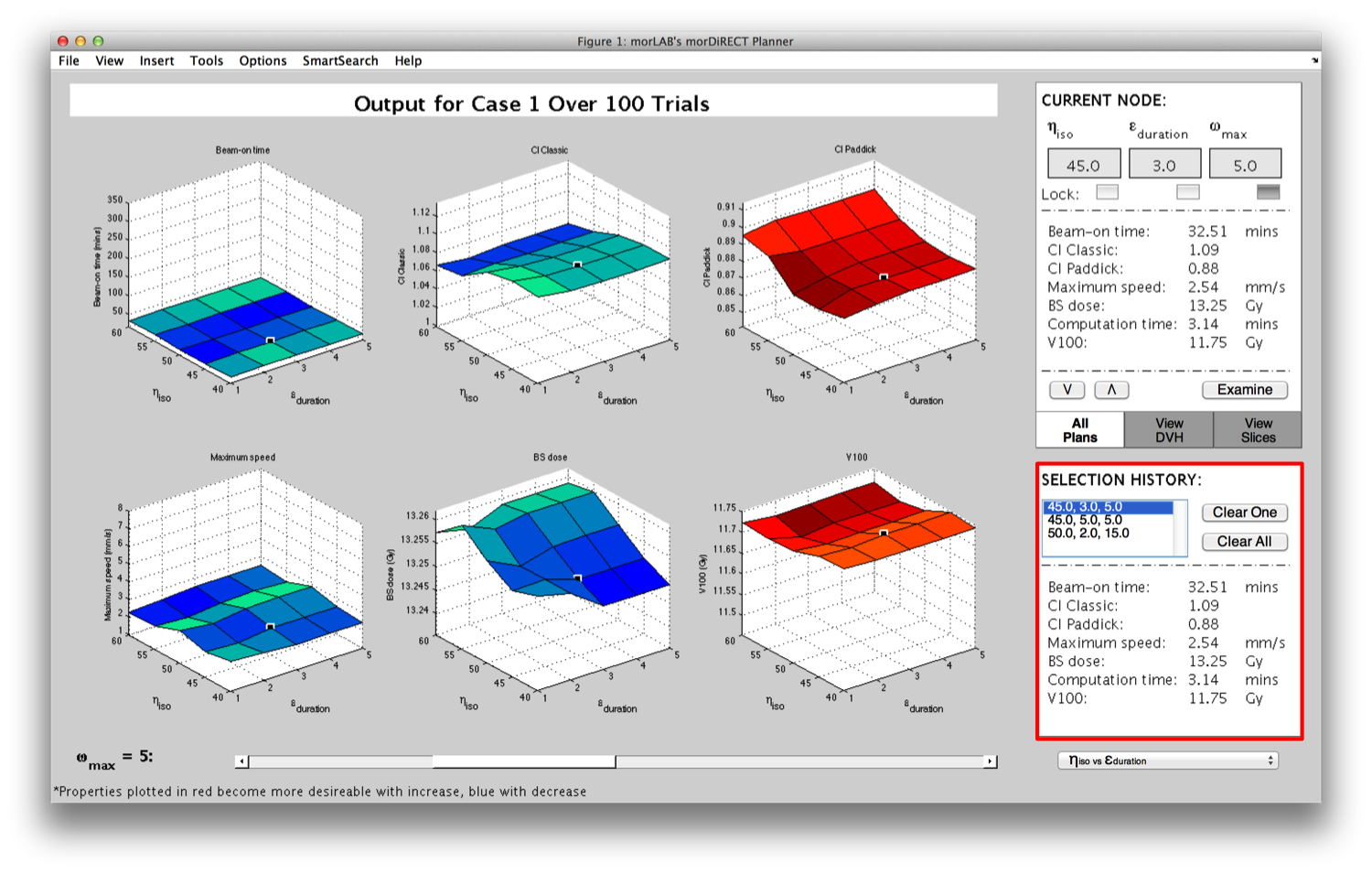
morDiRECT: An interface for comparing tradeoffs in radiation therapy treatment planning
This paper took a preliminary looked at how to handle blackbox multi-objective problems, with the specific usecase of stereotactic radiosurgery planning.
Conceptually, the interface took the idea of mult-objective tradeoffs and used this as an engine for delivering plan alternatives to the end user. The interface facilitated in depth trade-off analysis between a set of plans that were prerun, for greater flexibility and an intuitive understanding of the decision space.
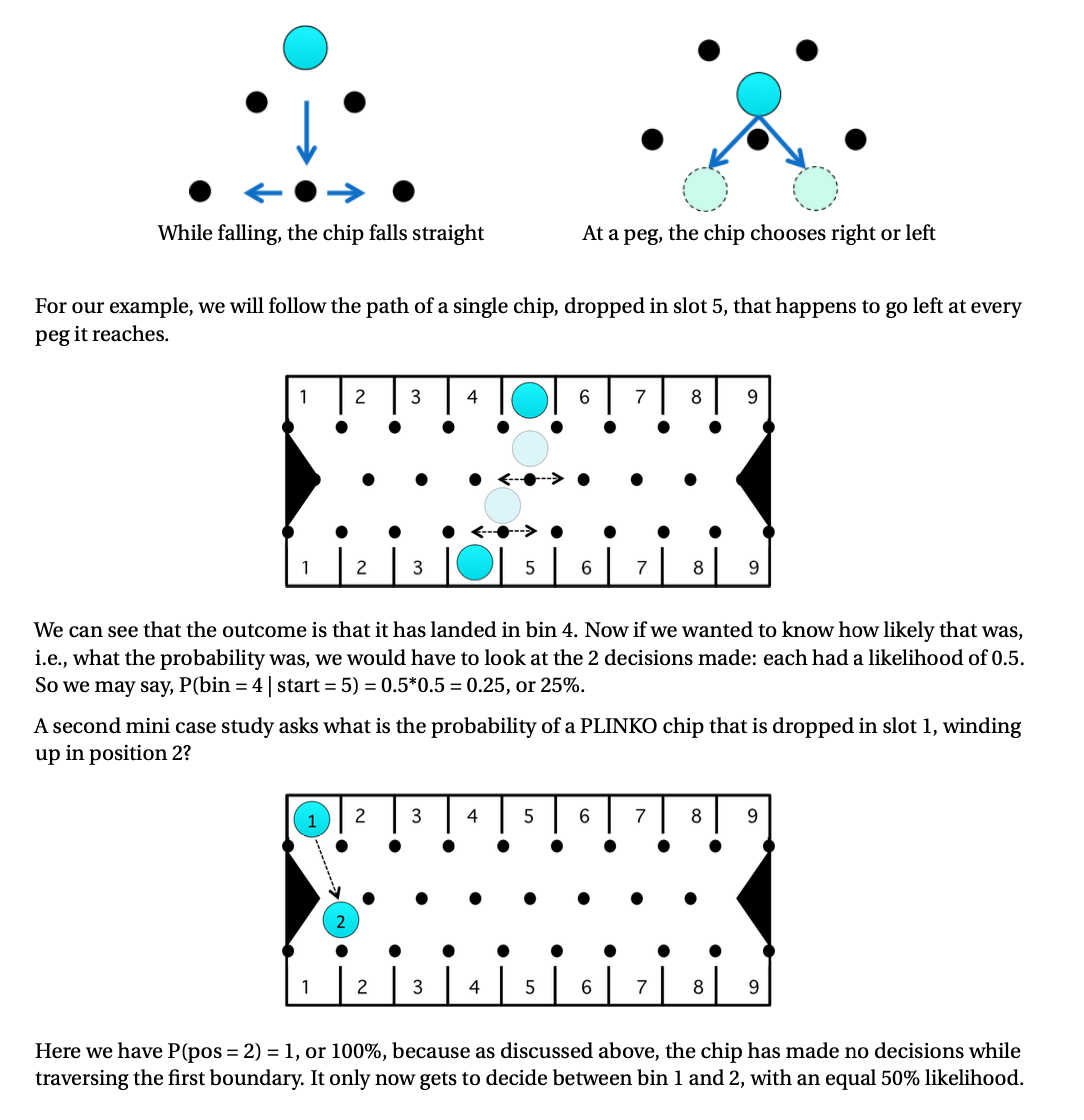
Simple PLINKO Game
Inspired by the Price is Right minigame, I used this simple, visual R program to simulate one or multiple games of PLINKO for statistics students at the University of Waterloo.
Since Markov chains are slightly out of scope of the course, we focus on the binomial distribution and the similarities and differences that come from that. Note, this application allows for non-standard board generations, which makes this teaching process easier. Message me to connect if you would like a copy of the labs!
SuperSlider
A flexible MATLAB-based slider creation tool, that allows for multiple slides along a single axis. This was built out for an in-house interface project, but has been downloaded by over 1000 people and put into use in some cool industries!
If you want your users to control a multi-point range, give it a download and let me know what you're working on!
IIE Arena Simulation Competition
Back in 2013, Krystle Pang, Jaquelyn Monis Rodriguez and I set out to use Arena Simulaton Software to predict the impact of a new terminal rollout at Chicago's O'Hare International Airport. I believe we came in 3rd at the International competition.
Recycling Sorter
Back in 2012, I was in Mechanical Engineering and Yuhin Wu, Ryan Brown, Keith Tong and I spent many a late night at Skule⢠building ART: the automated recycling terminal. ART was an Arduino-based recycling sorter for ASME's SEC competition (and we won the local competition!). We were all very young here.
If you pay attention to the bottles in the videos, you might notice they break most conventional sorting mechanisms -- this was not an accident! Can you tell how the machine works?
XAI and Improved LLM Efficiency
AI and OR go hand-in-hand, because effectively, they are governed by the same mathematical principals. In my current work, I look at how to make OR look more like AI, in terms of inverse model generation and finding the boundaries of model separation. Taken from the reverse perspective, this could be the path towards explainability and efficient model-collapse.
Novel Mixed-Modality Imaging Techniques
With the current advent of AI and advanced OR techniques, I believe humanity is about to become a lot more transparent. I am interested in studying less invasive, more informative imaging protocols that we have the technology for now, not decades from now. Please reach out if you would like to collaborate or to know more!